High Representative Visits Imperial War Museum in London
 News : 2/25/2026
London, United Kingdom, www.uk.gov.krd. Kurdistan
Regional Government High Representative Karwan
Jamal Tahir paid an official visit to the Imperial
War Museum in London, where he was received by Jack Gellthorpe and Kara
McLoughlin from the museum’s curator and design department.
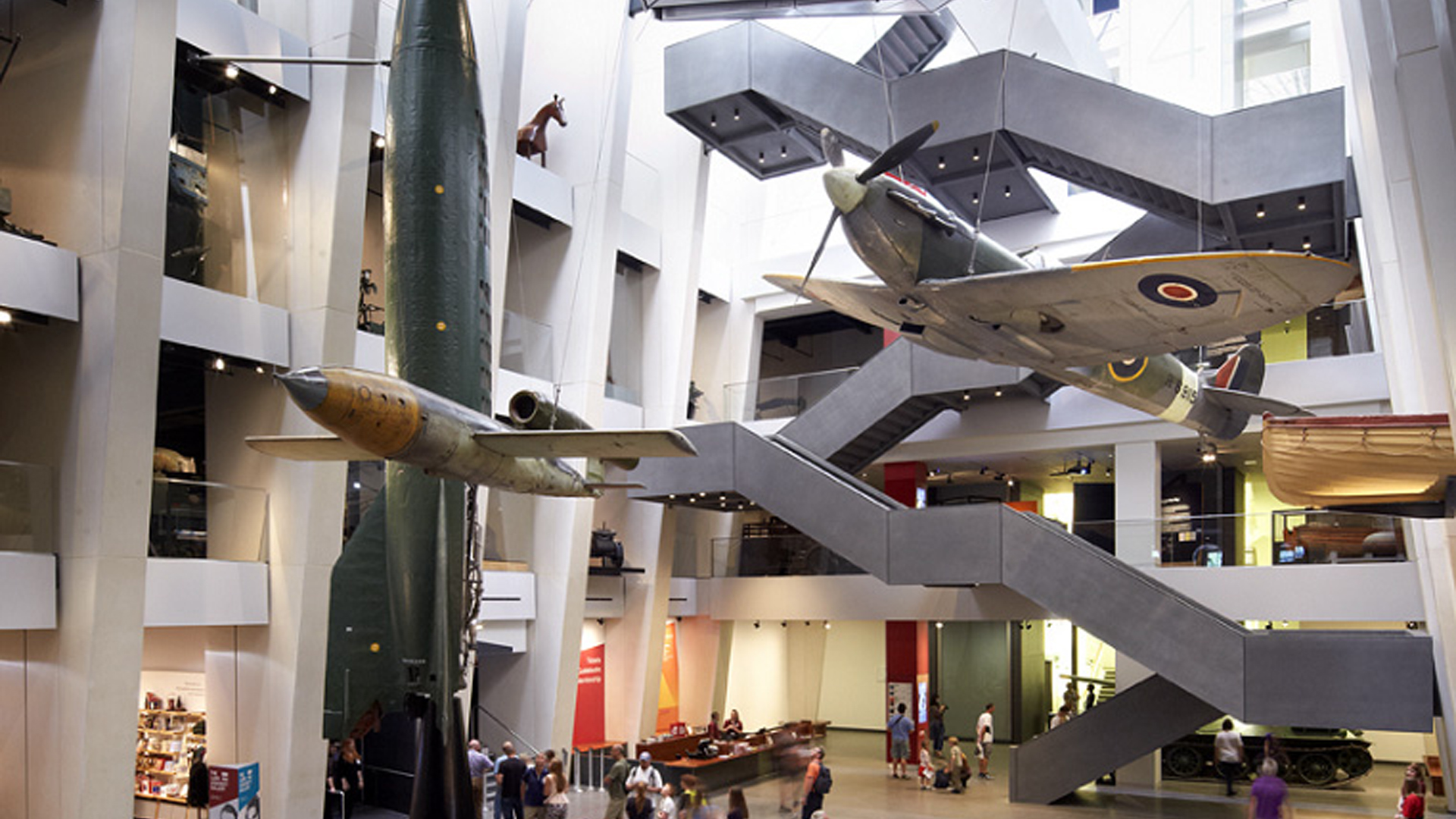
Museum officials guided the KRG delegation
through the institution’s main galleries, which are organised chronologically
into four sections: the First World War, the Second World War, the Holocaust
and the period from 1945 to 2000, and a final section covering events from 2000
to the present, including the war to liberate Iraq and the rise of ISIS.
During the tour, museum representatives
outlined the institution’s curatorial approach, which examines both military
leadership and the wider human cost of conflict. The museum houses
approximately 33 million items related to modern warfare and its impact.
Officials also noted plans to further develop exhibits relating to Iraq and the
Kurdistan Region, highlighting the United Kingdom’s military role and the
effects of conflict on local populations.
Mr Tahir described the visit as significant
and expressed appreciation for the warm reception. He emphasised the
longstanding historical relationship between the Kurdistan Region and the
United Kingdom, dating back to the early 20th century, and said ties had
strengthened particularly after 1991. He acknowledged the UK’s role in
establishing a safe haven and no-fly zone over the Kurdistan Region, as well as
its military support to Peshmerga forces following the rise of ISIS.
The KRG representative also underscored the
importance of documenting the impact of war on civilians, referring to the
chemical attack on Halabja in 1988, in which approximately 5,000 civilians were
killed. He said such atrocities should be represented in international museums
to ensure that the crimes of Saddam Hussein’s regime are neither forgotten nor
repeated.
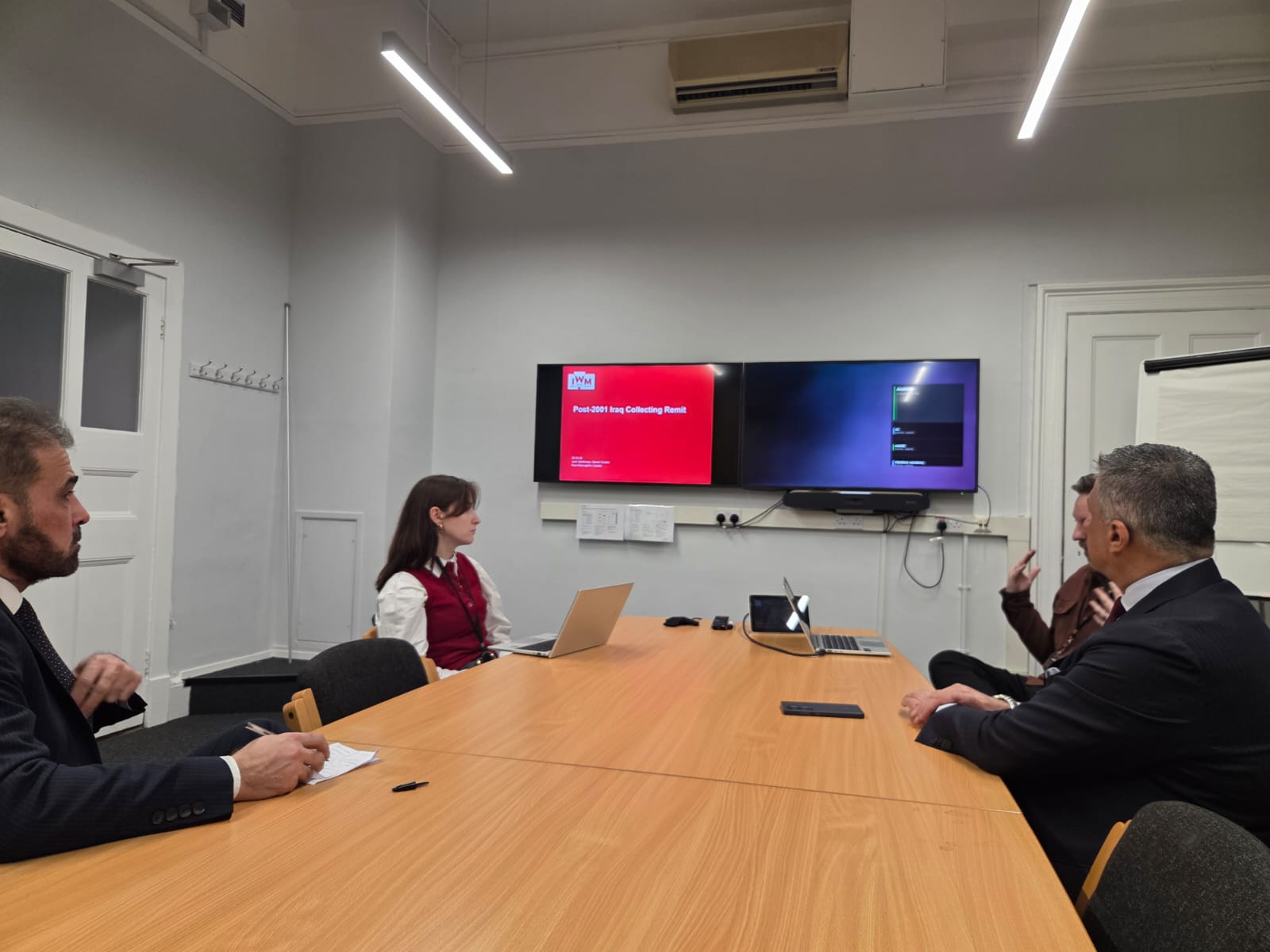
Discussions during the visit focused on
potential cooperation between the KRG and the Imperial War Museum. Mr Tahir
proposed organising a delegation visit to the Kurdistan Region to coordinate
with Kurdish museums and relevant authorities. The aim would be to identify
military equipment used in campaigns against the Kurdish people, examine its
impact on civilians, and explore the possible display of materials seized by
Peshmerga forces during the fight against ISIS.
The
meeting concluded with both sides expressing interest in strengthening
collaboration to promote historical awareness and preserve the memory of those
affected by conflict.